

In an age dominated by instant news and digital media, today’s headlines flash across screens in real-time, shaping opinions and prompting immediate reactions. Yet, history teaches us that the significance of events often unfolds over decades, not minutes or hours. What we read today could be tomorrow’s pivotal moment—a catalyst for change, a turning point in society, or a warning unheeded.
This post delves into some of the most impactful current events, placing them in historical context to understand how they may influence the world of tomorrow. By connecting the dots between past and present, we can better anticipate the forces shaping our future.
1. Global Climate Action: Echoes from Past Environmental Movements
Current Headlines: UN Climate Summit, Extreme Weather Events, Green Policies
The urgency of climate change dominates today’s news cycles, with extreme weather disasters, climate summits, and green technology breakthroughs capturing global attention. Governments and corporations are pledging net-zero emissions targets and massive investments in clean energy.
Historical Context: The Environmental Movement of the 1970s and Beyond
The modern environmental movement began gaining traction in the 1970s with the first Earth Day (1970) and the establishment of organizations like Greenpeace. Early efforts focused on pollution control and conservation. The 1992 Earth Summit and the 2015 Paris Agreement marked milestones in global cooperation.
Long-Term Implications
- Policy Evolution: Today’s policies may set the foundation for global climate governance mechanisms that reshape economies and international relations for decades.
- Technological Transformation: Innovations in renewable energy, carbon capture, and sustainable agriculture could transform industries, much like the industrial revolution reshaped society.
- Social Justice: Climate action increasingly intersects with equity, as vulnerable communities face disproportionate impacts, echoing past civil rights struggles.
- Generational Responsibility: Youth movements like Fridays for Future signal a shift in societal values akin to earlier student-led protests that redefined politics.
The climate narrative unfolding now may well be remembered as a defining chapter in humanity’s survival story.
2. Geopolitical Shifts: Revisiting the Cold War Dynamics
Current Headlines: US-China Rivalry, Russia-Ukraine Conflict, Global Alliances
Tensions between global superpowers have escalated with the ongoing Russia-Ukraine war, intensifying competition between the US and China over technology, trade, and influence. New alliances and economic blocs are emerging as nations recalibrate their foreign policies.
Historical Context: The Cold War (1947-1991)
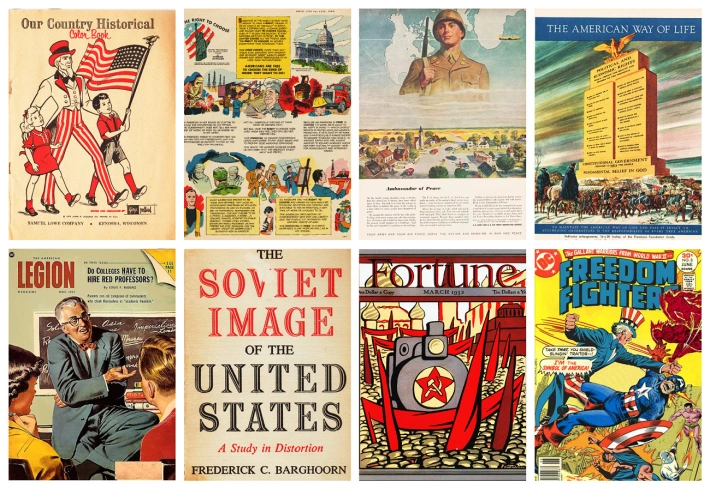
The Cold War era was marked by ideological rivalry, proxy wars, nuclear arms race, and the shaping of global institutions. Lessons from this period highlight the dangers of miscalculation and the importance of diplomacy.
Long-Term Implications
- New Bipolarity or Multipolarity: The current world order may evolve into a new form of bipolar competition or fragment into multipolar blocs, reminiscent of Cold War divisions but more complex.
- Technological Arms Race: Cybersecurity, AI, and space technology now serve as new battlegrounds, extending the arms race beyond nuclear weapons.
- Global Economic Repercussions: Trade tensions and sanctions impact global supply chains, echoing past embargoes that reshaped economies.
- Diplomatic Innovations: Just as détente eased Cold War tensions, emerging diplomatic mechanisms may redefine peacekeeping and conflict resolution.
Understanding this context can help policymakers avoid repeating past mistakes and craft strategies for stability.
3. Technological Disruption: Lessons from the Industrial Revolution
Current Headlines: AI Breakthroughs, Automation, Digital Currency
Artificial intelligence breakthroughs, widespread automation, and the rise of cryptocurrencies dominate the tech headlines. These innovations promise unprecedented productivity but also stir concerns about jobs, privacy, and economic inequality.
Historical Context: The Industrial Revolution (18th-19th Century)
The industrial revolution transformed agrarian societies into industrial powers, introducing mechanization and mass production. It catalyzed urbanization, economic growth, and social upheaval, including labor movements and regulatory reforms.
Long-Term Implications
- Labor Market Transformation: Just as mechanization displaced manual labor but created new industries, AI and automation will redefine work, demanding new skills and social safety nets.
- Economic Inequality: Without thoughtful policies, technological gains may exacerbate wealth gaps, much like the “Gilded Age” following industrialization.
- Financial Innovation: Digital currencies and decentralized finance could democratize access but also challenge existing regulatory frameworks, echoing the impact of banking innovations in the past.
- Societal Adaptation: Education systems and governance will need to adapt quickly to manage the pace of change and ethical considerations surrounding AI.
Drawing on past lessons, today’s societies can better navigate this tech revolution.
4. Social Movements and Cultural Shifts: The Power of Collective Voices
Current Headlines: Racial Justice Protests, Gender Equality Campaigns, Youth Activism
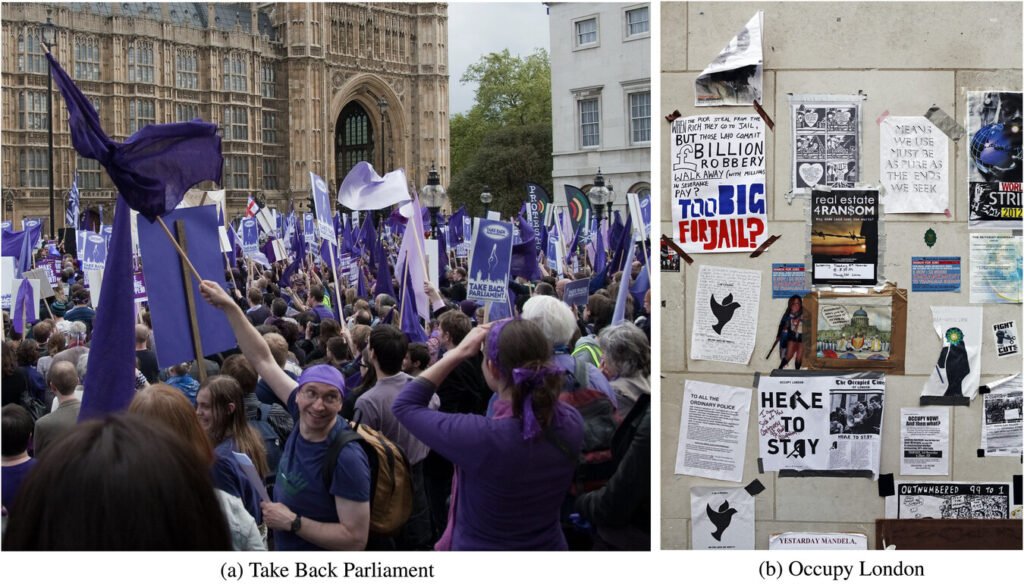
From Black Lives Matter protests to #MeToo and youth climate strikes, social movements are reshaping public discourse and policy agendas worldwide. These movements harness social media’s power for rapid mobilization.
Historical Context: Civil Rights and Feminist Movements
The civil rights movement of the 1950s-60s and the feminist waves of the 20th century showcase the power of grassroots activism to dismantle systemic discrimination and expand rights.
Long-Term Implications
- Policy and Legal Changes: New waves of activism often precede significant legal reforms and shifts in societal norms.
- Intersectionality: Movements today emphasize interconnected struggles, reflecting a more nuanced understanding of identity and oppression.
- Global Solidarity: The internet enables transnational solidarity, magnifying the impact of local struggles into global conversations.
- Generational Shifts: Younger generations tend to drive cultural evolution, indicating ongoing change in values and priorities.
These movements may redefine social contracts and citizenship in the 21st century.
5. Public Health and Pandemic Preparedness: From History to Modern Challenges
Current Headlines: Post-Pandemic Recovery, Vaccine Equity, Emerging Pathogens
The COVID-19 pandemic has profoundly impacted global health systems, economies, and daily life. Efforts focus on recovery, addressing disparities in vaccine distribution, and preparing for future outbreaks.
Historical Context: Past Pandemics
History is marked by devastating pandemics—the Black Death, 1918 Influenza, and HIV/AIDS—that reshaped societies, public health infrastructure, and scientific understanding.
Long-Term Implications
- Strengthened Health Systems: Investments in healthcare and surveillance may prevent or mitigate future pandemics.
- Global Cooperation: Lessons from past failures highlight the importance of transparency and shared resources.
- Public Trust: Managing misinformation and vaccine hesitancy will be crucial, echoing past challenges with public health campaigns.
- Societal Behavior: Pandemic experiences influence social norms around hygiene, work, and community.
The current moment could be pivotal in how humanity manages health risks going forward.
6. Economic Realignments: Navigating the Post-Pandemic World
Current Headlines: Inflation, Supply Chain Disruptions, New Trade Agreements
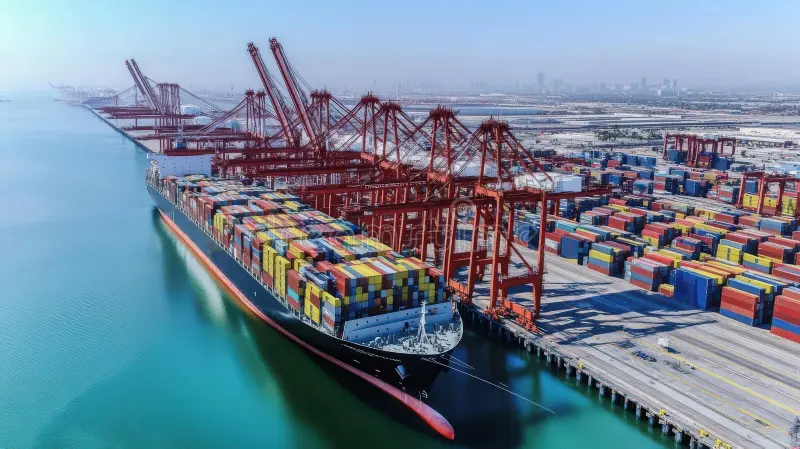
Global economies face challenges including inflationary pressures, disrupted supply chains, and shifting trade dynamics. Nations reevaluate economic models and supply dependencies.
Historical Context: Post-World War II Reconstruction and the 2008 Financial Crisis
The Marshall Plan rebuilt war-torn Europe, leading to decades of growth, while the 2008 crisis prompted new financial regulations and economic theories.
Long-Term Implications
- Resilience and Diversification: Countries and companies seek more resilient, diversified supply chains, balancing globalization with local production.
- Economic Policy Innovation: Lessons from past crises may inspire reforms in fiscal policy, social safety nets, and central banking.
- Inequality and Growth: The balance between growth and equity remains a pressing challenge.
- Technological Integration: Digital transformation accelerates economic restructuring.
The post-pandemic economic landscape will likely define the coming decades’ prosperity.
7. Education and Work: The Future of Learning
Current Headlines: Remote Education, Skill Gaps, Lifelong Learning Initiatives
Pandemic-driven shifts have transformed education and work, pushing remote learning and hybrid work models. Emphasis grows on adaptability and reskilling.
Historical Context: The Spread of Public Education and Industrial Era Workforce Training
The 19th and 20th centuries saw the rise of compulsory education and vocational training, enabling mass industrialization and social mobility.
Long-Term Implications
- Digital Divide: Bridging access gaps is essential to ensure equitable education.
- Personalized Learning: Technology enables customized learning paths, improving engagement and outcomes.
- Workforce Evolution: Lifelong learning becomes critical as industries evolve rapidly.
- Social Impact: Education reform influences societal equality and economic opportunity.
Education systems may undergo fundamental redesigns to meet future demands.

8. Democracy and Governance: Adapting to a New Political Landscape
Current Headlines: Election Integrity, Digital Governance, Authoritarianism
Democratic institutions face tests from misinformation, polarization, and technological disruption, while some countries grapple with authoritarian resurgence.
Historical Context: Democratic Waves and Backlashes
The expansion of suffrage and civil rights movements expanded democracy in the 20th century, but backlashes and authoritarian regimes also arose.
Long-Term Implications
- Technology’s Role: E-governance and digital participation offer new democratic tools but also challenges like misinformation.
- Institutional Reform: Democracies may need to reform electoral systems and institutions to remain resilient.
- Global Trends: The balance between democratic governance and authoritarianism will shape global geopolitics.
- Citizen Engagement: Increased activism and awareness could revitalize democratic participation.
How societies adapt politically will influence peace and prosperity.
Conclusion: Today’s News as Tomorrow’s History
Every headline we consume is a thread in the tapestry of history being woven. By understanding current events through the lens of the past, we gain perspective on the possible futures we are crafting. The challenges and opportunities before us are immense, but so is human resilience and ingenuity.
The decisions made now will echo through generations — shaping politics, society, technology, and the environment. As informed citizens, leaders, and innovators, our role is to learn, engage, and act with an eye toward building a sustainable, equitable, and peaceful future.

awesome