
In a digital age dominated by rapid news cycles and social media virality, misinformation spreads faster than ever — sometimes causing confusion, fear, or even harm. Welcome to Fact Check Friday, your weekly guide to peeling back the layers of viral claims, rumors, and myths to reveal what’s really true.
This week, we’ve identified the most buzzworthy myths circulating online — from health scares and political rumors to tech conspiracies and social media hoaxes. Let’s dive deep, fact-check rigorously, and empower you to stay informed.
1. Myth: “5G Technology Causes COVID-19 Spread”
The Claim:
Social media posts claim that 5G cellular networks somehow spread the coronavirus by weakening immune systems or directly transmitting the virus.
Why It Went Viral:
Fear of new tech + global pandemic = perfect misinformation storm. Early in the pandemic, some communities associated the rollout of 5G with spikes in COVID-19 cases.
The Facts:
- Viruses, including SARS-CoV-2 (which causes COVID-19), cannot travel on radio waves or mobile networks.
- The virus spreads mainly through respiratory droplets when an infected person coughs, sneezes, or talks.
- The World Health Organization (WHO), Centers for Disease Control (CDC), and multiple scientific bodies have confirmed no link between 5G and COVID-19.
- 5G is a wireless technology that uses non-ionizing radiation, which does not damage DNA or cause illness.
Why People Believe It:
Misinformation often exploits fear and the “unknown” aspects of new technology. Lack of understanding about radio waves and virus transmission fueled this myth.
Debunking Resources:
- WHO Mythbusters: [link]
- CDC FAQs on COVID-19 Transmission: [link]
2. Myth: “Drinking Large Amounts of Water Can Prevent Coronavirus”
The Claim:
Many posts suggest that drinking lots of water flushes the virus from the throat or lungs, preventing infection.
The Facts:
- Staying hydrated is essential for general health but does not prevent or cure COVID-19.
- The virus infects cells in the respiratory tract, and water intake cannot “wash” it away.
- Preventative measures such as mask-wearing, social distancing, and vaccination are effective.
- The myth likely arose from a misunderstanding of basic health advice.
Why It Matters:
Promoting this myth might lead people to neglect proven protective behaviors.
3. Myth: “The Earth is Flat — NASA Is Hiding It”
The Claim:
Despite overwhelming evidence, flat Earth conspiracy theories continue to circulate, asserting that NASA and governments fake space images to conceal the truth.
Why It’s Popular:
Social media echo chambers and distrust in institutions fuel this belief. Videos showing “curvature” being an illusion spark renewed interest.
The Facts:
- Satellite imagery, international space missions, and countless scientific measurements confirm Earth’s spherical shape.
- Gravity, satellite orbits, and time zones depend on Earth being round.
- Photos from the International Space Station show Earth’s curvature in real time.
How to Spot Flat Earth Misinformation:
- Look for scientific consensus vs anecdotal claims.
- Check for misused or out-of-context images.
- Follow reputable space agencies’ channels.
4. Myth: “Vaccines Cause Autism”
The Claim:
A long-debunked claim states that vaccines — especially the MMR vaccine — cause autism spectrum disorders.
History of the Myth:
- Originated from a fraudulent 1998 study retracted by The Lancet.
- Since then, numerous extensive studies have disproven any link.
Why the Myth Persists:
- Autism symptoms appear around the age vaccines are administered, leading to false correlation.
- Misinformation spread by anti-vaccine groups on social media.
The Facts:
- Vaccines are rigorously tested for safety.
- Major health organizations worldwide confirm vaccines do not cause autism.
- Vaccination prevents deadly diseases.
Why It’s Dangerous:
Vaccine hesitancy leads to outbreaks of preventable diseases.
5. Myth: “Artificial Intelligence Will Take Over the World Soon”
The Claim:
Social media shares videos and posts warning that AI will soon replace all human jobs and potentially become sentient, posing an existential threat.
Reality Check:
- Current AI excels at narrow tasks but lacks consciousness, emotions, or true understanding.
- AI cannot make independent ethical or creative decisions beyond programming.
- Job disruption is a real concern but gradual and manageable with proper policies.
Why This Myth Spreads:
- Popular culture (movies, books) dramatizes AI risks.
- Headlines often exaggerate AI breakthroughs.
Balanced View:
- AI can augment human productivity but needs ethical frameworks.
- Many experts advocate for “human-in-the-loop” designs.
6. Myth: “Climate Change Is a Hoax Invented by Scientists”
The Claim:
Some viral posts claim climate change is fabricated to control economies or populations.
The Facts:
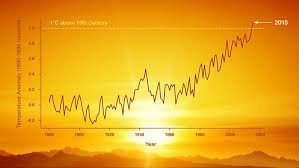
- Extensive global data show rising temperatures, shrinking glaciers, and increased extreme weather linked to human activities.
- 97%+ of climate scientists agree on human-induced climate change.
- Denial is often politically or economically motivated.
How to Recognize Climate Denial:
- Look for cherry-picked data or ignoring long-term trends.
- Check credentials and consensus statements.
7. Myth: “Eating Garlic Cures COVID-19”
The Claim:
Posts and videos suggest garlic consumption kills the virus or prevents infection.
The Facts:
- Garlic has some antimicrobial properties but does not cure viral infections like COVID-19.
- No scientific evidence supports garlic as a COVID-19 treatment.
- Overreliance on such myths can delay proper medical care.
8. Myth: “Bill Gates Is Using Vaccines to Implant Microchips”
The Claim:
This conspiracy theory asserts that Bill Gates, via vaccination programs, plans to implant microchips for tracking populations.
Why It’s Popular:
Mixes privacy fears, distrust of billionaires, and misinterpretations of digital health certificates.
The Facts:
- No technology currently enables microchip implants via vaccines.
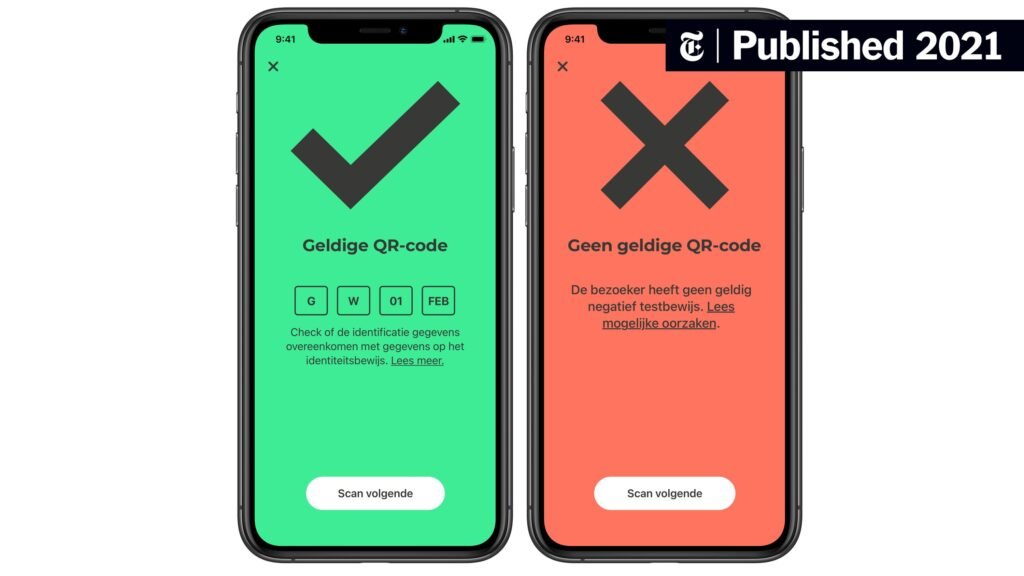
- Digital vaccine passports are software-based and voluntary.
- Bill Gates advocates global vaccination to save lives, not control.
9. Myth: “Drinking Bleach or Disinfectants Kills Coronavirus”
The Claim:
Following viral misinformation, some people ingested household disinfectants believing it would kill the virus inside their bodies.
The Facts:
- Ingesting disinfectants is extremely dangerous and potentially fatal.
- Medical professionals and poison control centers warn against this.
- The myth likely arose from misinterpreted statements and viral misinformation.
10. Myth: “Electric Vehicles Are Worse for the Environment”
The Claim:
Some posts argue that electric vehicles (EVs) cause more pollution due to battery production and electricity sources.
The Facts:
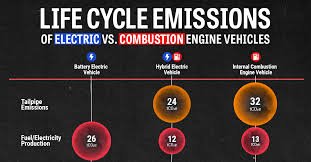
- Life-cycle analyses show EVs generally have lower greenhouse gas emissions over their lifespan.
- Battery production has environmental impacts but is improving with recycling and cleaner tech.
- Transitioning to renewable energy further reduces EV footprints
Why Fact-Checking Matters
Misinformation erodes trust, polarizes societies, and harms public health. Fact-checking helps build media literacy, critical thinking, and resilience against falsehoods. Reliable information empowers better decisions.
How to Spot Misinformation Yourself
- Check the source: reputable media vs unknown sites
- Cross-reference claims with multiple trusted outlets
- Watch out for sensationalist language
- Verify images and videos with reverse search
- Be skeptical of too-good-to-be-true stories
Resources & Tools for Fact-Checking
- Snopes.com
- FactCheck.org
- PolitiFact
- WHO Mythbusters page
- Google Reverse Image Search
Final Thoughts
Every viral myth starts somewhere but has real consequences — from endangering health to influencing policy. Our collective vigilance through fact-checking is essential in preserving truth and democracy.