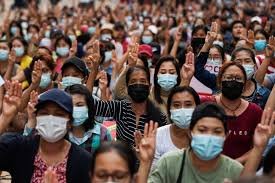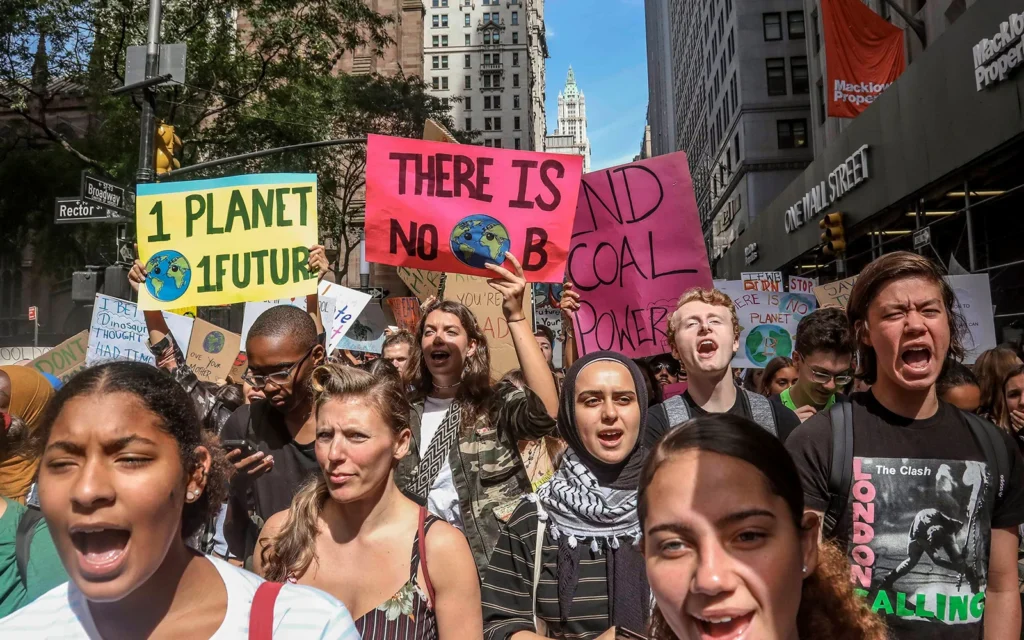
From global climate marches to digital democracy campaigns, young leaders are redefining activism and power. Armed with smartphones and global networks, this generation challenges traditional systems and drives systemic change—reshaping society with urgency, creativity, and resilience.
This article explores:
- Why today’s youth are stepping forward
- Their global impact via compelling case studies
- The digital tools fueling youth mobilization
- How institutions are responding
- Challenges they face
- The long-term implications
- How we can support their efforts
1. Why Youth Stand Up Now
A Generation of Urgency
Young people today face overlapping crises: climate breakdown, economic precarity, digital surveillance, and social inequality. As Greta Thunberg noted, “We are the first generation to feel the effects of climate change—and the last that can do something about it.” These challenges push youth beyond protest into policy, journalism, art, technology, and public office.
Reputation vs. Reality
Disputing stereotypes of apathy, surveys show global youth feel empowered to influence politics. In Pew Trust polls, nearly 60% of respondents aged 18‑29 said they “can make a difference.” Their activism isn’t just performative—it’s sustained and strategic.
Cultural Foundations
This generation grew up in the digital era—where BLM, Arab Spring, #MeToo, and online feminist movements provided templates for organizing, storytelling, and dissent. Now they adapt these lessons with innovation and global solidarity.
2. Global Youth-Led Movements Transforming Society
Here are five standout examples illustrating how youth are triggering real-world change:
A. Fridays for Future – Climate Action Beyond Ceremonies
Founder: Greta Thunberg, 15-year-old student
What happened: After skipping school in August 2018 to protest outside the Swedish Parliament, Greta sparked a worldwide movement—students now strike weekly in 100+ countries.
Impact: Politicians have taken notice; climate plans—like the EU Green Deal—now account for youth demands. Corporations also face pressure to reduce emissions.
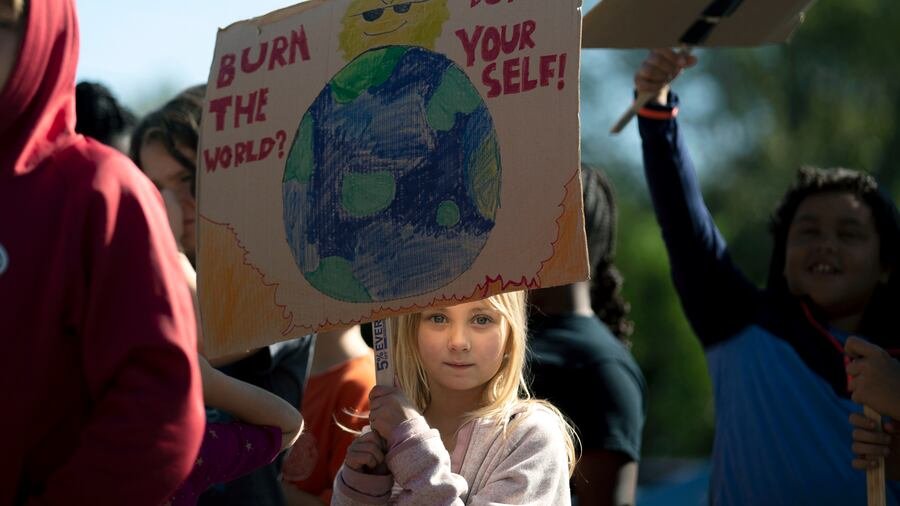
Quote: “Our house is on fire. Act like it.” – Greta Thunberg
B. March For Our Lives – Turning Fear into Policy
Origin: In the wake of the 2018 Parkland school shooting in the U.S., student survivors like Emma González and David Hogg organized nationwide marches.
Results: The movement led to new gun control legislation in states like Florida and raised national awareness.
Tactic: Combining open mic protests, social media campaigns, and voter registration drives, they made youth voices central in the gun debate.
C. #FixTheCountry – Digital Democracy in Ghana
Start: 2021 youth-led protests addressed corruption, energy issues, and unemployment.
Approach: Organized online, mobilized in Accra and across Ghanaian universities.
Achievement: Renewed attention to governance; the president promised reforms and civic engagement.
Unique aspect: Tackling structural issues outside Western contexts, this movement uses hotlines, social platforms, and street parliaments.
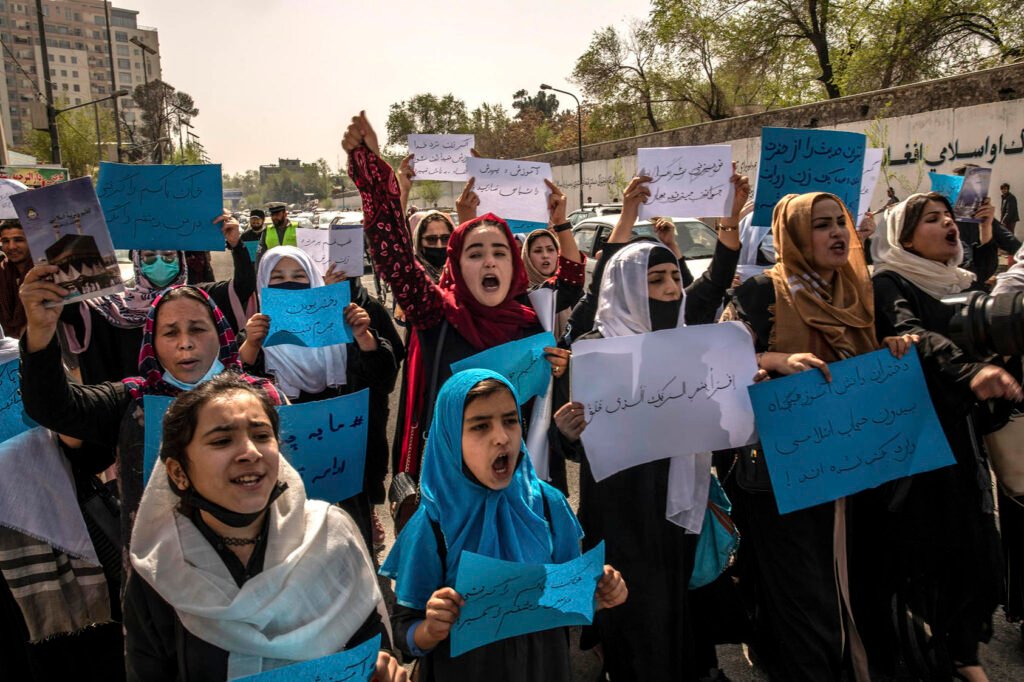
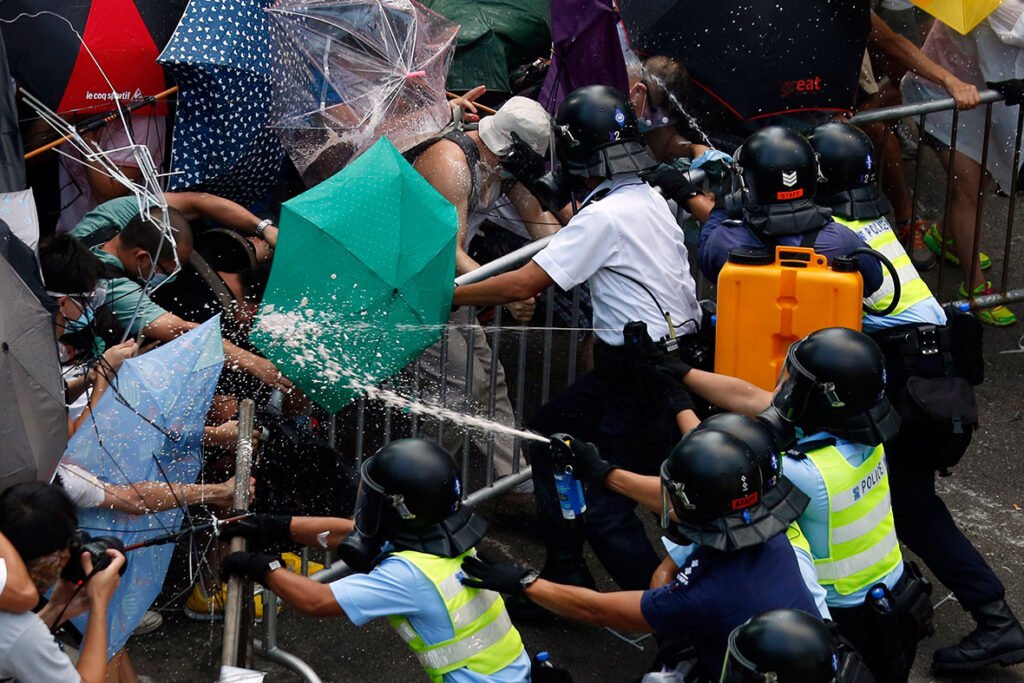
D. Hong Kong Student Movement – Fighting for Future
Timeline: 2014’s Umbrella Movement and 2019’s larger anti-extradition protests.
Leaders: Joshua Wong, Agnes Chow, among others.
Key features: Leaderless, decentralized, tech-savvy. Enabled secure communication via Telegram among networks of beekeepers, medics, and translators.
Global significance: Influenced international free speech debates and shed light on erosion of Hong Kong’s autonomy.
E. Youth Voices in the Arab World
Arab Spring (2010–2011): Egyptian and Tunisian youth used Facebook and Twitter to organize massive uprisings against authoritarian regimes.
Today: Tunisia’s recent protests show lessons learned—not just overthrow, but forging democratic structures. Youth-led NGOs combat inequality and push for media freedoms.
3. Digital Tools: A New Power Play
Social Media: Accelerating Activism
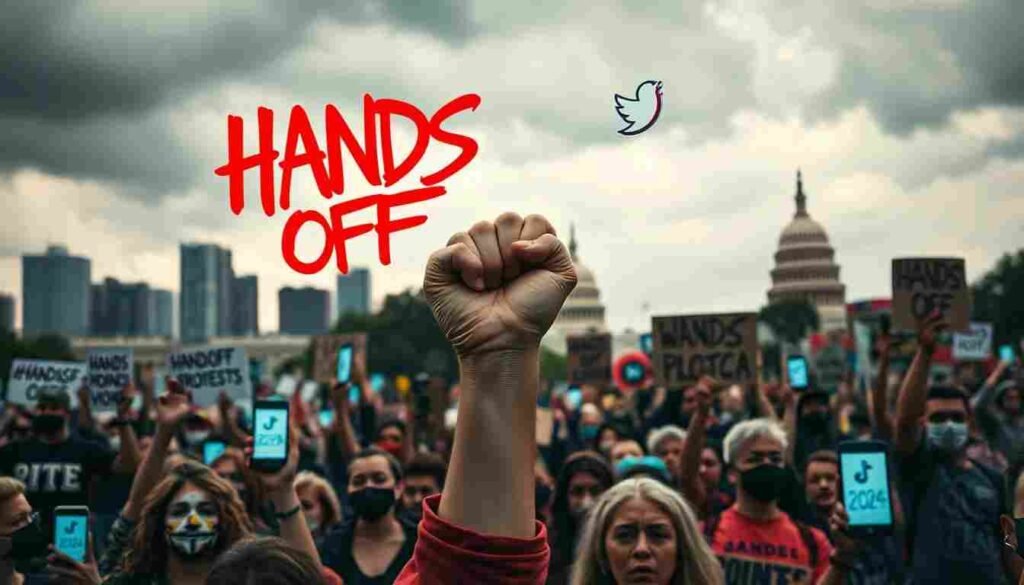
Platforms like TikTok, Instagram, Twitter, and Telegram allow rapid mobilization and global solidarity. Live-streams bring raw footage from protests directly to the world, bypassing traditional media gatekeepers.
Data & Crowdfunding
Youth campaigns access analytics for targeting persuasion, and fintech & crypto allow privacy-respecting fundraising. Parkland groups raised over $1 million for support and advocacy.
Digital Safeguards
Youth use VPNs, encrypted messaging, and open-source verification to stay secure. They form online fact-checking coalitions to combat disinformation—important where state propaganda is common.
4. Institutions Respond
Youth in Politics
- America’s youngest Congress members: Alexandria Ocasio-Cortez (31), Maxwell Frost (25)
- European influence: EU youth parliaments and civic assemblies increasingly include ages 16–24 members.
Policy co-design
Governments and NGOs launch youth councils, citizen-budget initiatives, and inclusive redesign processes. For example, Canada’s Minister of Youth co-created programs with young advisors.
Education Integration
Schools incorporate civic tech and social entrepreneurship curricula, preparing youth for active citizenship and leadership.
5. Barriers & Backlash
Legal Repression
- Arrests and detentions, especially in authoritarian settings (e.g., Hong Kong, Myanmar)
- Restrictive NGO laws and digital censorship
Tokenism
- Youth councils with no real voice
- Seats offered without decision-making power
Burnout & Mental Health
- Emotional toll of online vitriol and real-world threats
- Challenges of combining activism with studies or work
Strategic Misinformation
- Disinformation campaigns targeting youth movements
- State-sponsored troll farms diluting legitimate messaging
6. The Long-Term Impact
Policy Overhaul
Youth pressure directly influenced gun legislation, tuition reforms, climate pledges, and corruption laws.
Cultural Shift
Early voter registration, civic engagement as identity, and a generational move toward sustainable values signal lasting norms change.
Global Solidarity
Digital community building creates transnational networks—from climate activists in Mexico to student coalitions in India.
Rethinking Power
Youth redefine leadership through collectives, shared decision-making, and flat organizational structures.
7. How to Support Youth Leadership
- Fund autonomy: Invest in youth-driven efforts, not adult-directed programs
- Provide mentorship: Connect youth with experienced leaders without overshadowing them
- Enforce policy representation: Require genuine youth seats in decision-making bodies
- Protect digital rights: Push back on censorship and surveillance targeting youth activists
- Amplify their story: Share youth platforms, content, and perspectives widely
8. Conclusion: A Generation That Leads
Today’s youth don’t just envision the future—they’re actively building it. Through protest, policy engagement, and digital innovation, they’re transforming the political landscape and demanding that their voices be heard.