In today’s fast-paced news environment, it’s easy to feel overwhelmed by the complexity of major world events. Headlines often give us snapshots of crises without the full picture. At NewsWorld, we believe that understanding the deeper context and key dynamics behind such issues is crucial for informed discussion and decision-making.
In this deep-dive explainer, we break down the ongoing Ukraine conflict — one of the most consequential and complex geopolitical crises of our time. From its historical roots and key players to current developments and potential outcomes, we aim to provide clarity on what’s really going on.
1. Historical Background: The Roots of Tension
Understanding the Ukraine conflict requires delving into its deep historical context, stretching back centuries.
- Geopolitical crossroads: Ukraine sits at the crossroads of Europe and Russia, with a long history of cultural, political, and economic ties to both East and West.
- Soviet legacy: Ukraine was part of the Soviet Union until its dissolution in 1991, when Ukraine declared independence. The post-Soviet transition was marked by contested national identities and political realignments.
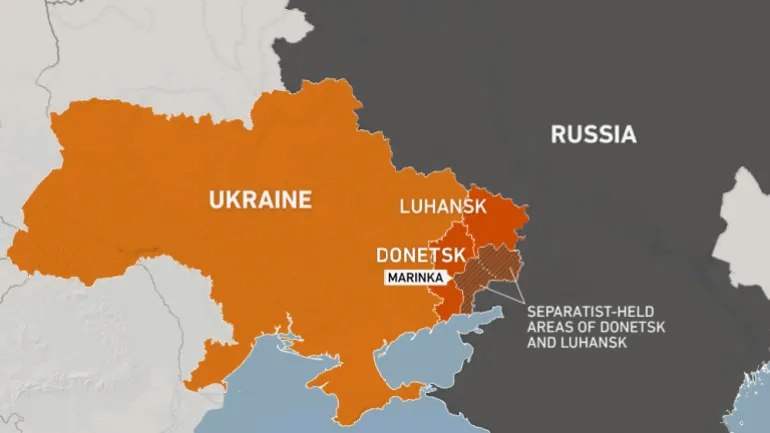
- Crimea and Donbas: These regions have historically been Russian-speaking and culturally linked to Russia, creating tensions over sovereignty and autonomy. Crimea was annexed by Russia in 2014, a major turning point.
- Euromaidan protests (2013-2014): Pro-European protests led to the ousting of Ukraine’s pro-Russian president, triggering Russia’s military intervention and separatist movements in Eastern Ukraine.
This complex background fuels the current conflict, rooted in identity, politics, and territorial claims.
2. Key Players and Interests
The conflict involves a range of domestic and international actors, each with their own goals and stakes.
- Ukraine Government: Seeks to preserve its territorial integrity, strengthen democratic governance, and integrate with Western institutions like the EU and NATO.
- Pro-Russian Separatists: In Eastern Ukraine’s Donetsk and Luhansk regions, separatist groups backed by Russia seek autonomy or unification with Russia.
- Russian Federation: Seeks to maintain regional influence, prevent NATO expansion near its borders, and secure strategic interests including Crimea’s naval base.
- Western Allies (US, EU, NATO): Support Ukraine politically, economically, and militarily, while aiming to deter Russian aggression and uphold international law.
3. The Conflict Timeline: Key Events and Escalations
- 2014 Annexation of Crimea: Russia’s military annexation followed a disputed referendum, sparking international condemnation and sanctions.
- War in Donbas: Armed clashes between Ukrainian forces and separatists have resulted in thousands of deaths and displacement.
- Minsk Agreements: Attempts at ceasefire and peace negotiations in 2014 and 2015 produced limited results.
- 2021-2022 Buildup: Russia amassed troops near Ukraine’s border, raising fears of a full-scale invasion.
- February 2022 Invasion: Russia launched a large-scale military invasion, escalating the conflict into a major war with global repercussions.
Each phase shaped the current geopolitical landscape and humanitarian situation.
4. Humanitarian Impact: The Cost of War
The human toll has been immense.
- Displacement: Millions of Ukrainians have been internally displaced or fled abroad as refugees.
- Civilian Casualties: Thousands of civilians have been killed or injured amid fighting.
- Infrastructure Damage: Cities and towns have suffered widespread destruction, impacting basic services.
- Economic Disruption: Ukraine’s economy faces massive losses, and global markets feel the shockwaves.
International humanitarian agencies struggle to provide aid amidst ongoing conflict.

5. International Response: Sanctions, Diplomacy, and Military Aid
The global community’s reaction has been multifaceted.
- Sanctions on Russia: Western countries have imposed sweeping economic sanctions targeting banks, energy exports, and individuals close to the Kremlin.
- Military Support for Ukraine: The US and NATO members provide weapons, training, and intelligence assistance.
- Diplomatic Efforts: Various negotiations and peace talks continue amid ongoing hostilities.
- Global Energy Markets: Russia’s role as a major energy supplier complicates sanction strategies and global energy security.
6. Media Narratives and Information Warfare
The conflict is also fought in the information space.
- Propaganda and Disinformation: Both sides deploy narratives to shape public opinion domestically and internationally.
- Social Media: Platforms serve as battlegrounds for influence, misinformation, and citizen journalism.
- Independent Reporting Challenges: Journalists face risks reporting from conflict zones; misinformation clouds objective coverage.
Understanding these dynamics is key to navigating the news landscape critically.
7. What’s Next? Possible Scenarios and Long-Term Implications
The future of the Ukraine conflict remains uncertain, with several possible paths.
- Prolonged Conflict: Continued fighting with fluctuating frontlines and humanitarian crises.
- Negotiated Settlement: Potential peace deals involving compromises on autonomy or territorial control.
- Escalation Risks: Broader regional or global conflict triggered by miscalculations.
- Geopolitical Realignment: Shift in alliances, energy politics, and international order.
Long-term impacts could include redefined security architectures in Europe and altered global power balances.
8. Why It Matters: Global Lessons from the Ukraine Conflict
- Sovereignty and International Law: The conflict underscores challenges in upholding sovereignty and rules-based order.
- Great Power Competition: Highlights renewed tensions between major powers and spheres of influence.
- Human Costs of War: A stark reminder of civilian suffering and the importance of diplomacy.
- Information Integrity: Emphasizes the need for media literacy and combating disinformation.
9. How You Can Stay Informed and Engaged
- Follow Reliable Sources: Seek information from multiple reputable outlets.
- Critical Thinking: Question narratives and verify facts before sharing.
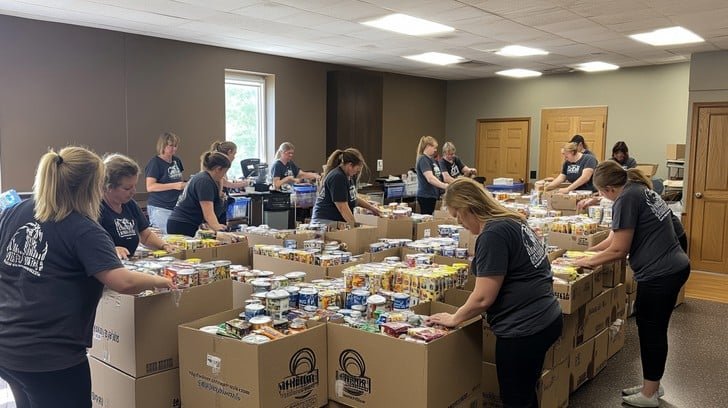
- Support Humanitarian Efforts: Donate or volunteer to aid organizations helping affected civilians.
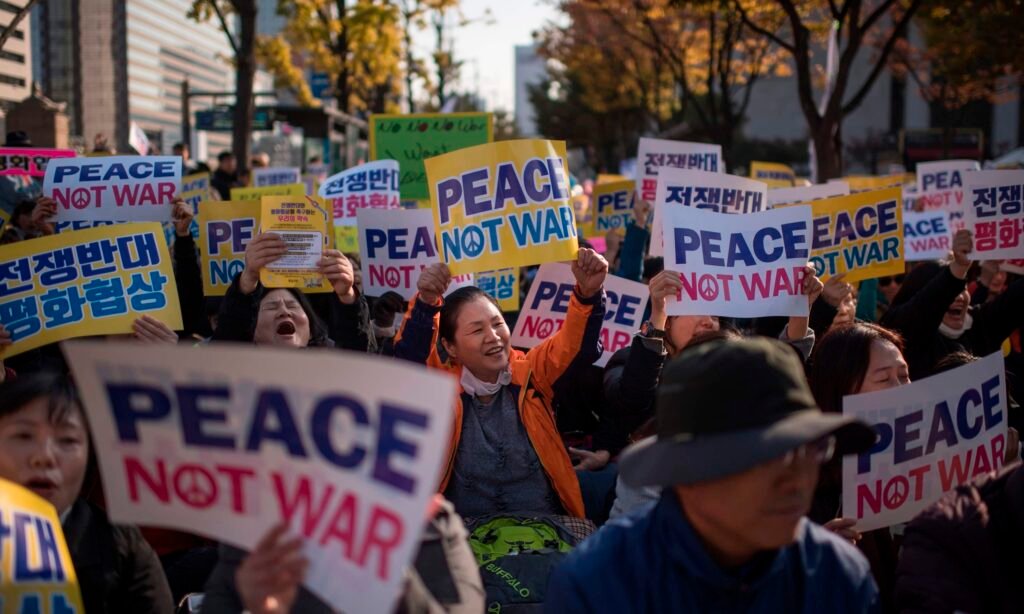
- Advocate for Peace: Engage in community and political dialogue promoting conflict resolution.
Conclusion: Beyond the Headlines
The Ukraine conflict exemplifies how modern crises are intertwined with history, geopolitics, and human stories. While headlines capture moments, deep understanding requires context and nuance.
At NewsWorld, we commit to bringing you clear, thorough explanations of the world’s most pressing issues. By exploring what’s really going on beneath the surface, we empower you to be informed, thoughtful participants in global conversations.