
In the relentless churn of 24/7 news cycles, the humanity behind major global events often fades into the background. What the headlines rarely convey are the lived experiences of people facing crises, triumphs, and transformations firsthand. These are the voices from the ground — the individuals whose stories paint the fuller picture beyond data points and political soundbites.
This week, we bring you a collection of deeply personal accounts from those directly affected by major news stories worldwide. Their perspectives reveal the resilience, struggles, hopes, and realities that statistics alone cannot capture.
1. A Syrian Mother’s Journey: Fleeing War, Finding Hope
Interview with Fatima al-Hassan, Refugee from Aleppo
“The bombs came every night. We could not sleep. Our home was destroyed, our neighborhood in ruins. My children were scared, but we kept moving forward because we had no choice. The journey to the refugee camp in Lebanon was long and harsh — no food, no water, only fear.”
Fatima’s story is one among millions caught in Syria’s protracted civil war, now entering its second decade. The headlines often focus on numbers — displaced persons, casualty figures — but Fatima’s account humanizes the crisis.
She describes the small acts of kindness in the camp, the determination to keep her children educated despite limited resources, and the hope that one day they will rebuild their lives.
What this teaches us: Behind every statistic is a family enduring loss and dreaming of peace.
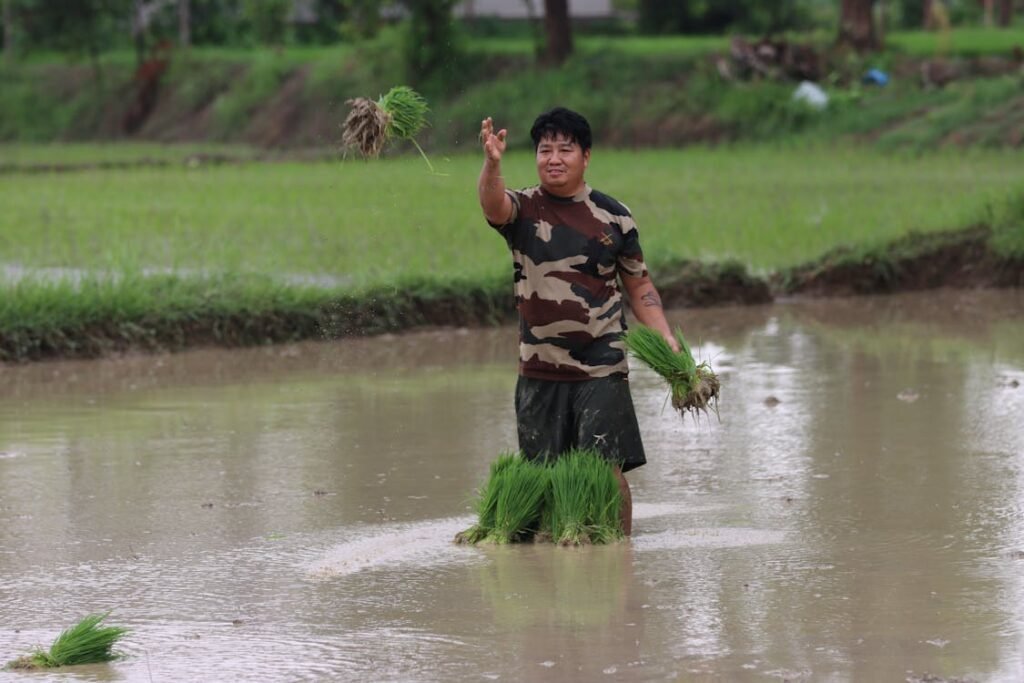
2. Climate Crisis in Bangladesh: Farmers Facing Rising Tides
Testimony from Mohammad Rahim, Rice Farmer in the Sundarbans
“The water comes earlier each year. My fields flood, and the salt kills the rice seedlings. We try new methods, but the soil is changing. Sometimes I worry if my children will ever farm this land.”
Bangladesh’s low-lying geography makes it one of the countries most vulnerable to climate change. Farmers like Mohammad are witnessing dramatic shifts affecting livelihoods.
His story reveals the intersection of environmental change and economic survival — a daily negotiation with nature’s unpredictability.
Key insight: Climate change is not distant; it is a present struggle in communities worldwide.
3. Frontline Healthcare Worker in New York: Battling the COVID-19 Pandemic
Interview with Dr. Aisha Patel, ICU Nurse
“At first, it was overwhelming. Patients kept coming in, many critically ill. We worked 12-hour shifts, sometimes longer, with barely a moment to rest. The fear wasn’t just for ourselves but for our families at home.”
Dr. Patel’s frontline experience during the early months of the pandemic offers an intimate glimpse into the healthcare crisis that overwhelmed global systems.
She shares stories of compassion, heartbreak, and solidarity — how strangers became heroes, and the toll of losing patients.
What we learn: The pandemic’s statistics pale compared to the emotional and physical weight carried by healthcare workers.
4. Indigenous Voices in the Amazon: Protecting the Rainforest
Conversation with Chief Tupa, Yanomami Tribe Leader
“This forest is our life. The rivers, the trees, the animals—they are our relatives. When outsiders come with chainsaws and machines, they not only destroy nature but our culture and future.”
Amid ongoing deforestation and illegal mining in the Amazon, Indigenous communities are on the frontline of environmental protection.
Chief Tupa explains the challenges of safeguarding ancestral lands against economic pressures and violence while advocating for sustainable coexistence.
Why it matters: Indigenous stewardship is key to preserving one of the planet’s vital ecosystems.
5. Hong Kong Protester: Fighting for Democracy and Identity
Story from Mei Ling, University Student and Activist
“We want a voice in our future, freedom to express ourselves without fear. But every protest brings the risk of arrest, violence. Still, we gather because giving up means losing who we are.”
Hong Kong’s pro-democracy protests have dominated headlines, but Mei Ling’s personal perspective highlights the courage and complexity of the movement.
She discusses generational divides, the role of social media in organizing, and the emotional strain of activism.
What’s at stake: The battle for democratic rights and cultural identity amid geopolitical tensions.
6. After the Earthquake: Rebuilding Lives in Haiti
Account from Jean-Pierre Baptiste, Earthquake Survivor
“The ground shook and everything fell. My family lost our home, our neighbors were injured. Now, months later, we are still trying to rebuild with limited help. Every day is a fight to find food and shelter.”
Following the devastating earthquake, many survivors face harsh living conditions in temporary shelters.
Jean-Pierre’s testimony sheds light on the slow pace of aid delivery, community solidarity, and the resilience of Haitians amid disaster.
Reflection: Recovery is a marathon, not a sprint.
7. Ukrainian Displacement: A Father’s Resolve
Interview with Oleg, Displaced from Donetsk
“We left everything behind in the middle of the night. The sounds of explosions chased us. Now, in a new city, I try to keep my children safe and hopeful. The future is uncertain, but we keep going.”
As conflict continues in Eastern Ukraine, families like Oleg’s are navigating the trauma of displacement.
His story reflects the broader humanitarian crisis — the loss of home, the struggle to integrate, and the persistence of hope.
Takeaway: War’s impact is deeply personal and enduring.
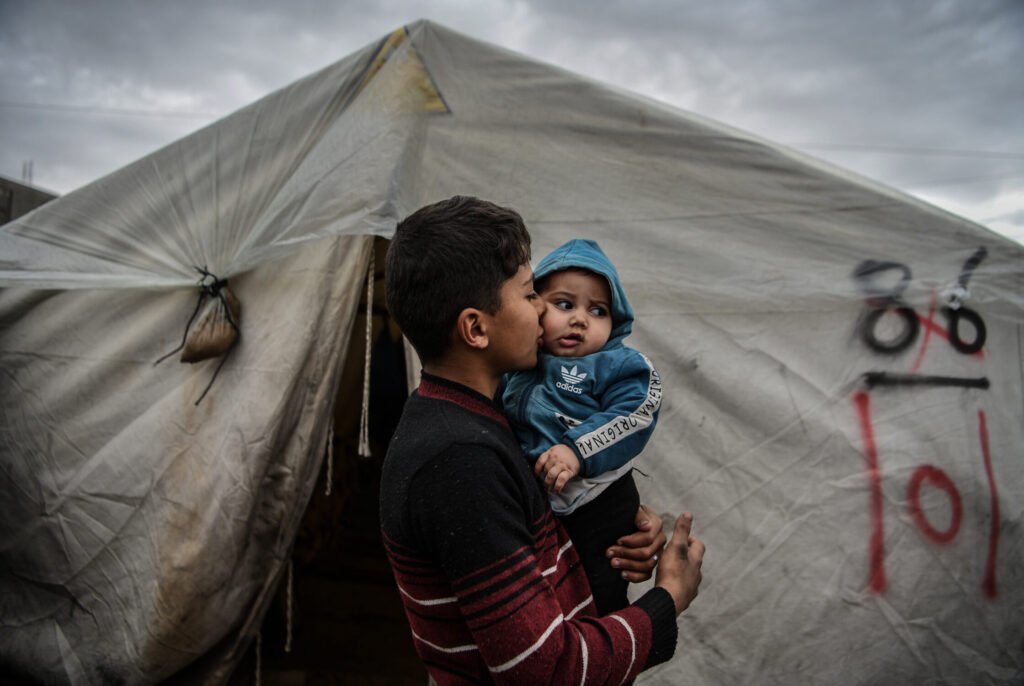
8. Women’s Rights in Afghanistan: A New Generation Speaking Out
Dialogue with Zahra, University Student and Activist
“We study in secret, we speak in whispers, but we are not silent. The world must hear our stories because without education, there is no freedom.”
Under the Taliban’s restrictive regime, Afghan women face immense challenges.
Zahra’s story conveys courage and determination to pursue education and equality despite threats and obstacles.
Why it’s urgent: The struggle for women’s rights continues under oppression.
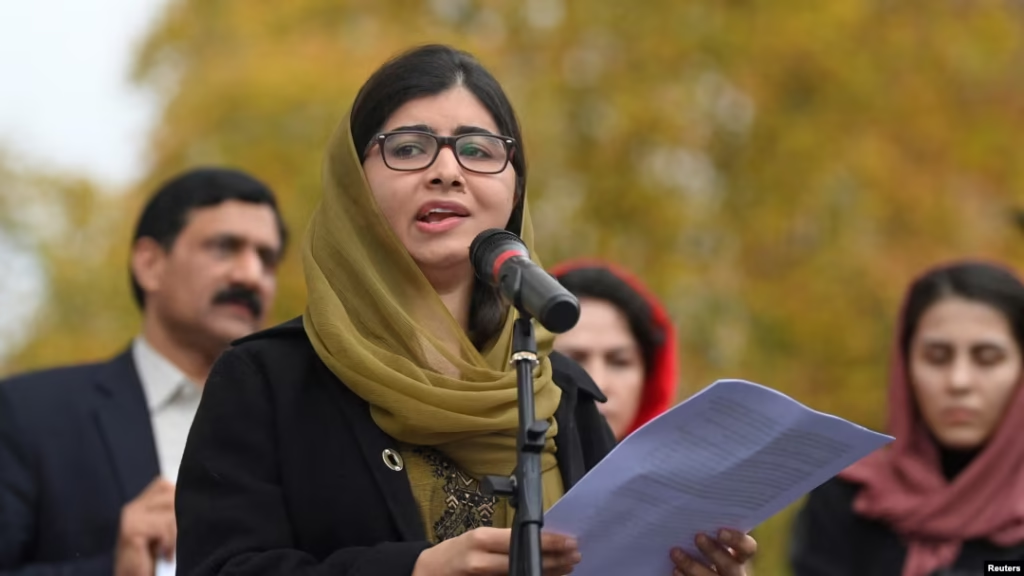
9. Environmental Cleanup: Youth Fighting Plastic Pollution in the Philippines
Testimony from Marco, Coastal Volunteer
“Every day, plastic washes ashore. We organize cleanups and educate fishermen. It’s not just about keeping beaches clean — it’s about protecting marine life and our future.”
Marco represents a growing wave of youth-led environmental activism.
His work illustrates how local efforts contribute to global solutions for plastic pollution.
What These Stories Teach Us
The personal accounts behind major headlines remind us that global events are lived experiences — shaped by human emotions, resilience, and complex realities. They deepen empathy and challenge us to look beyond the numbers.
How We Can Amplify Voices from the Ground
- Support independent journalism highlighting local perspectives
- Donate to grassroots organizations working in affected communities
- Share authentic stories to foster global understanding
- Engage policymakers with first-person testimonies to influence compassionate decisions
Final Thoughts
In a world overwhelmed by information overload, listening closely to the voices from the ground grounds us in truth and shared humanity. These stories are not just news; they are the heartbeat of our interconnected world.