
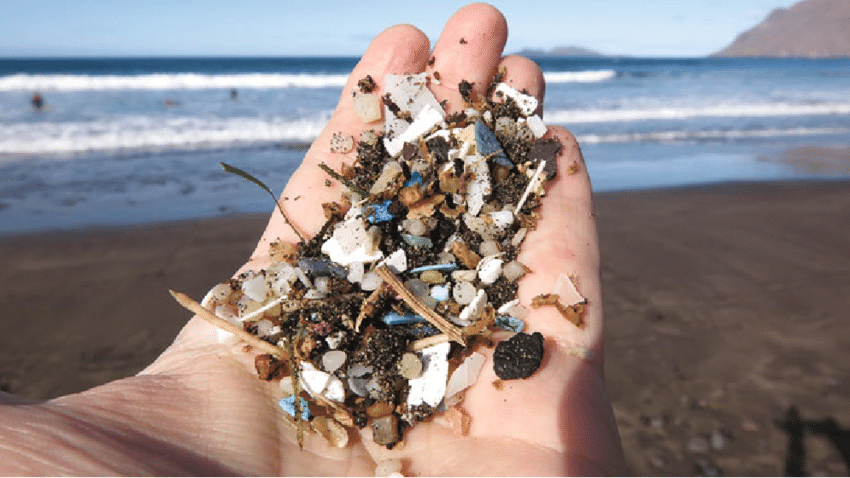
Major headlines often crowd out underreported but crucial developments. Here are 10 stories worth your attention:
🌱 1. Landfill Methane Emissions Underreported Over 40%
In a groundbreaking aerial‑based study across 200+ U.S. landfills, scientists found methane emissions are ≈40% higher than self‑reported figures. With methane ~80× more potent than CO₂ over 20 years, this revelation punctures a serious hole in climate strategy.
Why it matters: Underestimated waste‑site leaks make climate mitigation targets seem on track when they’re not.
Next steps: Invest in drone/satellite monitoring, revise landfill design, expand anaerobic digestion, and foster tighter reporting standards.
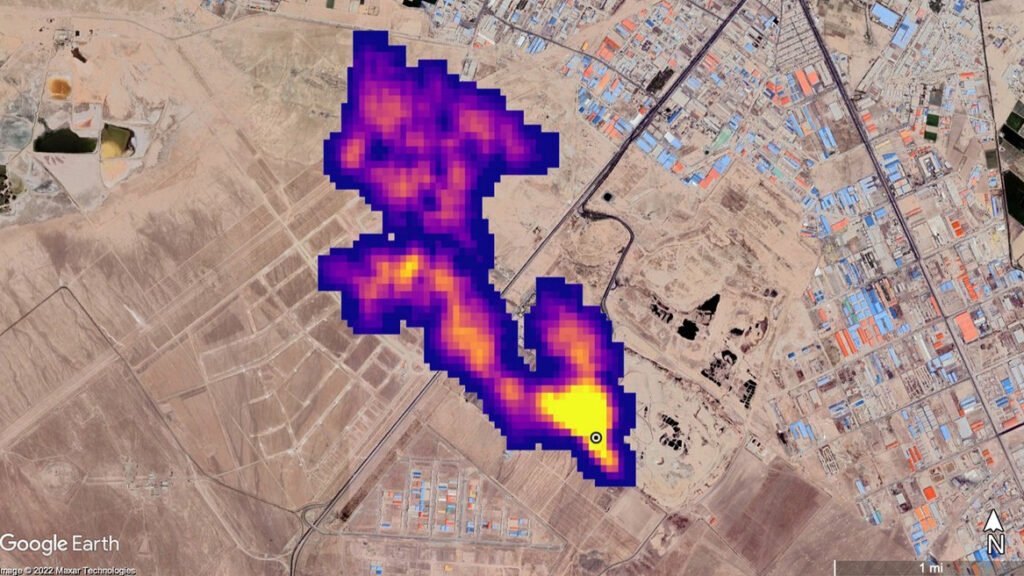
2. Oil & Gas Methane 70% Beyond Official Reports
The IEA’s recent report reveals methane leaks in the energy sector are, on average, 70% higher than industry data suggests. A mixture of aging pipelines, inadequate monitoring, and regulatory loopholes feed this gap.
Impact: Plugging leaks offers rapid climate benefit, but only if leak detection is systematic and transparent.
Call-to-action: Push for standardization in leak detection, corporate accountability, and rollout of satellite surveillance.
Expand by exploring case studies in Europe, Russia, and the Middle East; compare regulatory environments.
🦠 3. Eastern Equine Encephalitis: The Danger You Didn’t Hear
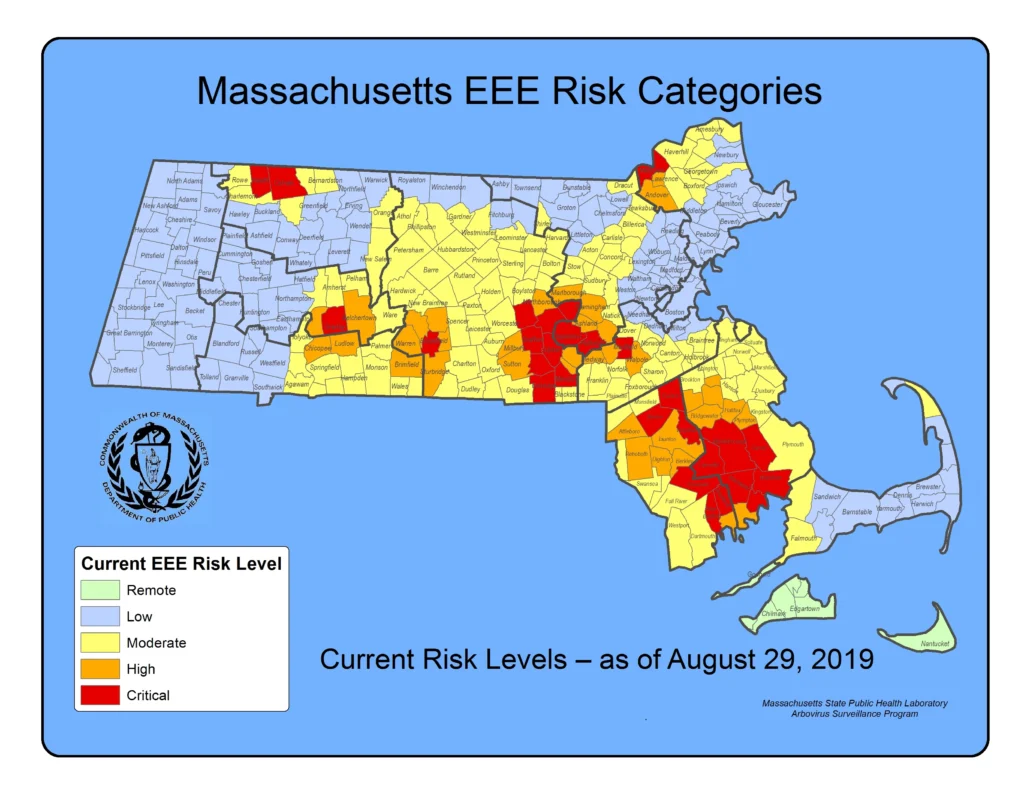
In Canada and the Northeastern U.S., Eastern Equine Encephalitis (EEE) — a rare but deadly mosquito‑borne pathogen — is quietly spreading. Unlike West Nile, it lacks many jurisdictional tracking mandates.
Health stakes: Up to 30% fatality; long-term neurological damage in survivors.
Recommendations: Bolster unified reporting, add EEE to notifiable disease lists, ramp up community mosquito control, and distribute prevention information.
👶 4. Maternal & Child Health Missing from Climate Policy
Studies show climate adaptation plans routinely ignore the vulnerabilities of pregnant women and children. Heatwaves, malnutrition, and disaster displacement have acute impacts on mothers and infants, yet seldom show up in frameworks like COP.
Policy gap: Health ministries and climate agencies must integrate maternal‑child indicators and funding.
Actionable steps: Prioritize maternal-health in adaptation budgets, fund community-level health interventions tied to climate resilience.
Case data: low-birth-weight spikes post‑heatwave events; mental‑health effects of climate anxiety.
🐟 5. Fisheries Data Misses 30% of Global Catches
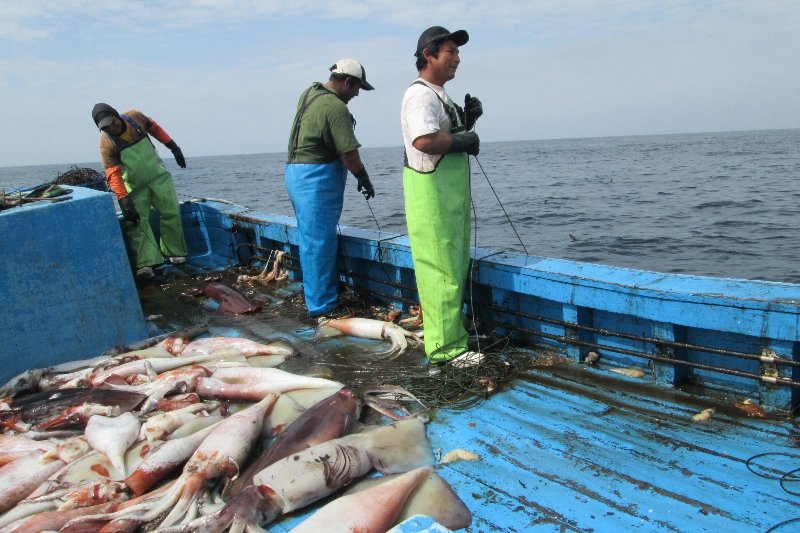
A new marine reconstruction study finds ~32 million tonnes of fish are missing from official catch data annually—primarily from small-scale, subsistence, and illegal fishing.
Why it matters: Overfishing projections and carbon footprint of fishing are massively underestimated.
Proposed solutions: Satellite vessel-tracking in artisanal fleets, community logbooks, training for enforcement, and WTO-level fishing transparency.
⚗️ 6. PFAS & Microplastics: The Arctic’s Invisible Threat
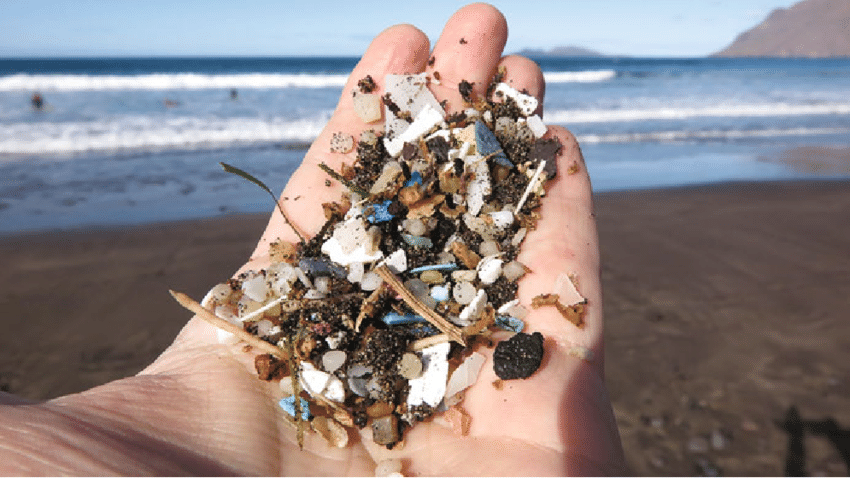
PFAS “forever chemicals” combined with microplastics are infiltrating even the Arctic Ocean. The toxic pairing travels via ocean currents and food chains, contaminating remote wildlife—and eventually, seafood markets.
Health implications: PFAS linked to cancer, immune disorders, and endocrine disruption.
Next steps: Tighten regulations on PFAS manufacturing, fund Arctic microplastic research, and enforce clean-up plans.
💸 7. Asia’s Quiet Crypto-Enabled Economic Boom
Though overshadowed by Western markets, regions like India and China are fueling economic growth via blockchain and cryptocurrency infrastructure. Mobile payments, remote fintech access, and micro-lending innovations are enabling new economic layers.
Why this matters: Crypto is not just speculation—it’s economic inclusion.
What to explore: Role of cryptocurrencies in rural banking, remittances revolution, and tech policy pivots amid global currency tension.
🌍 8. Global Carbon Emissions Underreported by Billions of Tonnes
An investigative collaboration between Stanford and the WSJ reveals that emissions inventories from most countries omit major sources like methane leaks, unaccounted agricultural burning, and land-use shifts—totaling billions of tonnes unreported.
Why it matters: Decisions based on inaccurate data hamper climate goal tracking.
Policy suggestions: Universal adoption of satellite‑based carbon monitoring, capacity-building for developing nations, and mandatory annual third‑party audit.
Expand by profiling a few key countries where discrepancies are highest, with before-after satellite maps.
🧭 9. Media Bias in Disaster Coverage: Somewhere You Care
A global content analysis shows that disasters in culturally or geographically close countries receive outsized coverage—even if scale or mortality is low—while large-scale humanitarian crises elsewhere go underreported.
Impact: Public response, donations, and policy decisions skewed by media attention.
Fixes: Media outlets should pursue standardized coverage metrics, feature more diverse bureaus, and support newsroom partnerships.

🍤 10. Seafood Contaminated with PFAS & Microplastics
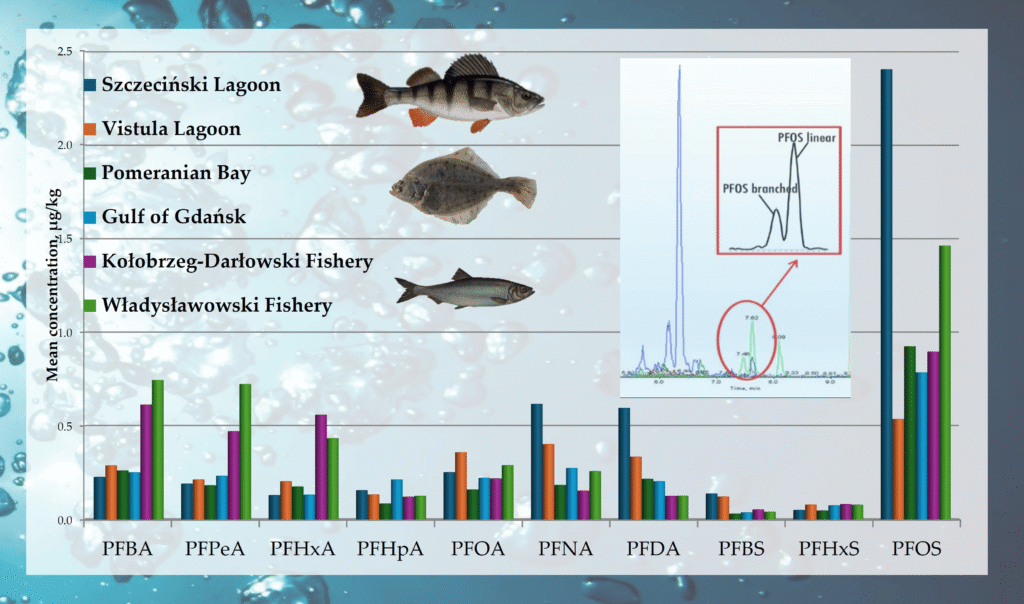
Further tying into ocean pollution threats: lab tests confirm PFAS and microplastics are present in common seafood species worldwide. Concentrations are often higher than safety thresholds.
Health alert: Chronic exposure may carry cancer and reproductive risks.
What can you do: Government testing programs, responsible seafood sourcing by markets, industry transparency on PFAS usage.
🧩 Why These Stories Deserve Your Attention
These stories share common threads:
- Climate & Environment: Methane, plastic, emissions, biodiversity
- Public Health: Mosquito‑borne disease, chemical exposure, maternal impact
- Transparency & Accountability: Data reporting gaps, media bias, fisheries tracking
- Geoeconomic Shifts: Asia’s financial leap via decentralized tech
Each has ripple effects on policy, health, economics, and the planet’s future.
🔧 How You Can Engage & Act
- Stay informed via specialized trackers (IEA, Stanford, WHO, GFI, PEAS).
- Support nonprofits tackling landfill waste, climate justice, maternal health, and PFAS bans.
- Engage policymakers—email MPs/MPs emphasizing these blind‑spots in public budgets.
- Shift your habits—reduce single‑use plastics, support sustainable seafood, compost organic waste.
- Share widely—these are counters to viral news cycles, yet vital to our collective future.
✨ Final Words
Our news ecosystem needs balance: it must capture blockbuster headlines while amplifying subtle, urgent narratives hiding below the radar. Missing the methane leak is like ignoring a flood starting at the foundation. Overlooking silent diseases or slow pollution eliminates opportunities to fix things early.
By shining a light on overlooked stories, we empower you—and all of us—to speak, act, and reshape our world beyond sensationalism.